* * * * * English version after this post * * * * *
Buenas tardes,
Las personas amables tienen una desventaja competitiva respecto a las de carácter más abrupto, por llamarlas de algún modo. Es algo que comento a menudo: tú puedes hacer favores y regalos a todo el mundo, pero el día que te niegas a algo te conviertes en un cretino. En cambio, el tipo más egoísta y rudo, ese que casi nunca hacen nada por nadie, el día que tiene un detalle es elevado a héroe nacional.
Siguiendo la ley de Pareto, la parte de la población genuinamente amable debe de ser el 20% del total. Son aquellas personas con un radar siempre encendido para procurar el bienestar a los demás. Sonríen al forastero y lo atienden si es preciso, saben escuchar, les cuesta dar un «no» contundente —de eso hablaremos en una futura MN— y aprovechan cualquier oportunidad para hacer sentir bien a los demás. Si ha salido el nuevo libro de un autor que te gusta y no te has enterado, no dudes que te lo harán llegar.
Son personas delicadísimas, que hacen de este un mundo mejor, pero curiosamente muy pocas de ellas resultan carismáticas para los demás. Se valora más a caracteres narcisistas y ególatras.
Vivimos en un mundo tan endurecido, que la amabilidad genera a menudo reacciones negativas: te pueden considerar blando, servil, sin personalidad o con segundas intenciones. Una actitud amable despierta sospechas, y más de uno se pregunta: «Pero ¿qué es lo que quiere en realidad?»
Los que juzgan así pertenecen al 80% restante, según la ley de Pareto, donde hay de todo: personas frías y correctas, educadas incluso, equilibradores —yo te doy si tú me has dado—, y por supuesto gente realmente desagradable también.
Yo hago lo posible para rodearme solo de personas de ese 20%, me da igual que la mayoría no sean célebres o que no sepan hacerse valer. Ya me encargaré yo de ayudarlas si detecto en ellas un talento especial. Para mí son la élite de este mundo, lo bueno y mejor de lo que podemos llamar humanidad. Son quienes añoraremos de verdad el día que no estén.
Vayamos ahora con la consulta de la semana:
PREGÚNTALE A FRANCESC
—Siempre que me asalta la felicidad me siento culpable, como si no tuviera derecho a ella. O, peor aún, siento que esa felicidad es la antesala de algo terrible que me ocurrirá. ¿Puedes ayudarme? (Gérard, Francia)
Querido amigo, decía Stevenson que «no hay deber que descuidemos tanto como el deber de ser felices». Y es que vivimos en una sociedad en la que se ha institucionalizado la amargura, la queja y el enfado. Lo normal es andar por ahí cabreado, señalando culpables, o frustrado por cosas que desearíamos que fueran de otro modo.
No estamos preparados para la felicidad, que aun así a veces nos pilla por sorpresa, sin una razón especial. Uno está en el tren, mirando por la ventana, y el sol le inunda el corazón. O te sientes en la gloria porque por fin has dado con un libro que te gusta. O simplemente no te duele nada, en este momento y lugar, o no hay un problema que debas atender ahora mismo.
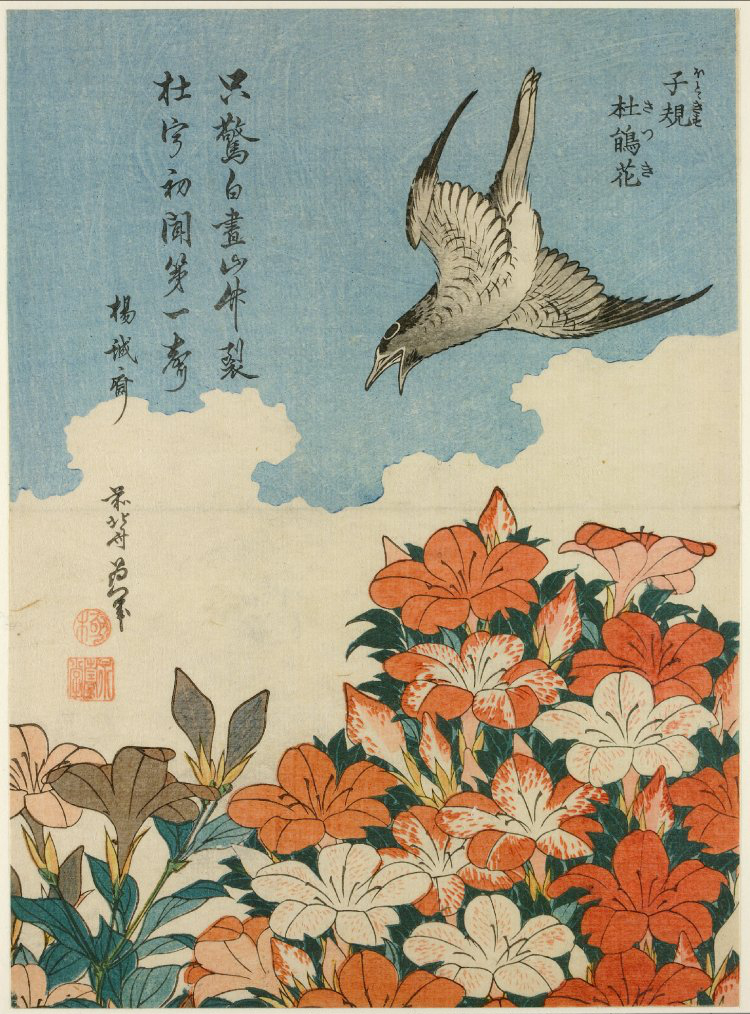
Son motivos suficientes para ser feliz, y creo que quien lo describió de forma más bonita fue el autor de El espejo vacío, que, ante el trino de un pájaro enjaulado, una mañana muy bella, comentó a un sacerdote con el que tomaba el té: «Dios es bueno porque el canario canta bien.»
Por supuesto, a mí me pasa como a ti. Si me asalta la felicidad a traición me siento raro, como si no la mereciera. Te diré incluso que me siento como un ladrón. No sé si es síndrome del impostor o una derivada del sesgo negativo imperante —¿Cómo te atreves a ser feliz, con lo mal que está el mundo?
Mi consejo es que no hagas caso de esas voces: ni las ajenas ni las propias. Puedes ser feliz incluso con ese ruido de fondo. ¿Verdad que cuando tienes hambre y te ponen en la mesa un plato delicioso te lo comes todo? Pues lo mismo has de hacer con la felicidad. Cuando te llegue, degústala plácidamente hasta el final. No te dejes ni una migaja.
Perdónate la felicidad, Gérard, déjala entrar, como cantaba mi adorado David Sylvian: https://youtu.be/QFAtfEsjgHg?si=E6ttCHDTUrBoKdw3
Y que dure lo que tenga que durar. Un solo minuto de dicha puede contener una vida entera.
Con mucho cariño,
Francesc
Por cierto, que esta semana aparecen dos libros nuestros de los que hablaremos próximamente. Uno para niños, El pequeño Gurú (https://amzn.eu/d/0hJedMhX), y nuestro libro del podcast Ojalá lo hubiera sabido antes (https://amzn.eu/d/05lFr5NC). Ya los podéis pedir en vuestra librería favorita.
¡Un abrazo fuerte!
Francesc


—
The downside of kindness
Good afternoon,
Kind people are at a competitive disadvantage compared to those with a more abrasive —or perhaps “brusque”—nature. It is something I often point out: you can do favors to everyone, but the moment you refuse a request, you are branded a jerk. Conversely, the selfish, rude type —the person who almost never lifts a finger for anyone— is hailed as a national hero the day they do something nice.
Applying the Pareto principle, genuinely kind people make up about 20% of the population. They are the ones with a radar constantly tuned to the well-being of others. They smile at strangers and help them if needed; they know how to listen; they struggle to say a firm “no” —a topic for a future newsletter— and they seize every opportunity to make others feel good. If a new book by an author you like comes out and you haven’t heard about it, rest assured they will make sure you get a copy.
They are incredibly considerate people who make the world a better place, yet —curiously— very few of them are seen as charismatic. Narcissistic and egocentric personalities tend to be valued more highly.
We live in such a hardened world that kindness often triggers negative reactions: you might be viewed as soft, servile, spineless, or having ulterior motives. A kind attitude arouses suspicion, leading many to wonder: “But what do they really want?”
Those who judge in this way belong to the remaining 80% —a group that includes all sorts: cold yet proper (even polite) individuals; those who operate on a quid pro quo basis (I’ll give if you’ve given me); and, of course, genuinely unpleasant people. I do my best to surround myself only with people from that 20%; it makes no difference to me that most of them aren’t famous or don’t know how to assert themselves. I’ll make sure to help them if I spot a special talent in them. To me, they are the elite of this world —the very best of what we can call humanity. They are the ones we will truly miss when they are gone.
Let’s move on now to this week’s question:
ASK FRANCESC
—Whenever happiness takes me by surprise, I feel guilty, as if I have no right to it. Or, worse yet, I feel that this happiness is the prelude to something terrible about to happen to me. Can you help me? (Gérard, France)
Dear friend, Stevenson once said that «there is no duty we so much underrate as the duty of being happy.» The fact is, we live in a society where bitterness, complaining, and anger have become institutionalized. It is considered normal to go around angry, pointing fingers at those to blame, or frustrated by things we wish were different.
We aren’t prepared for happiness, yet it sometimes catches us off guard, for no particular reason. You might be on a train, gazing out the window, and feel the sun flooding your heart. Or you feel on top of the world because you’ve finally found a book you love. Or perhaps nothing hurts right here and now, and there isn’t a pressing problem demanding your attention at this very moment.
These are reasons enough to be happy. I think the person who described this most beautifully was the author of The Empty Mirror; upon hearing a caged bird trilling on a lovely morning, he remarked to the priest with whom he was having tea: «God is good because the canary sings well.»
Of course, I experience the same thing you do. If happiness comes to me, I feel strange, as if I didn’t deserve it. I’ll even feel like a thief. I don’t know if it’s imposter syndrome or a byproduct of the prevailing negativity bias —How dare you be happy when the world is in such a bad state?
My advice is to pay no attention to those voices —neither the voices of others nor your own. You can be happy even with that noise. After all, when you’re hungry and a delicious meal is set before you, you eat it all up, don’t you? Well, you should do the same with happiness. When it reaches you, savor it peacefully to the very end. Don’t leave a single crumb behind.
Allow yourself to be joyful, Gérard; let the happiness in, just as my beloved David Sylvian sang: https://youtu.be/QFAtfEsjgHg?si=E6ttCHDTUrBoKdw3
And let it last as long as it is meant to. A single minute of bliss can hold a whole lifetime.
Warm regards,
Francesc
By the way, two of our books are coming out this week —we’ll be talking about them soon. One is for children, El pequeño Gurú (https://amzn.eu/d/0hJedMhX), and the other is our podcast book, Ojalá lo hubiera sabido antes (https://amzn.eu/d/05lFr5NC). You can order them now from your favorite bookstore.
Warm regards,
Francesc