* * * * * English version below this post * * * * *
Buenas noches,
A veces presumo de que he puesto nombre a unos cuantos bebés que no son míos, a petición de padres a los que no les venía la inspiración. Y he bautizado decenas de libros de otros autores, cosa que me resulta más fácil que poner título a mis propias obras.
Lo que se lee en la portada de un libro es determinante a la hora de presentarse en el mundo, por eso muchos autores entran en pánico cuando su editorial propone un cambio de título. Una vez rebautizado, sin embargo, a la que la criatura empieza a caminar por el mundo, pronto se olvida que en una vida anterior atendía a otro nombre.
Algunos clásicos modernos de la literatura sufrieron esa metamorfosis. Entre los más célebres:
- Orgullo y prejuicio iba a titularse Primeras impresiones, que no está nada mal. Sin embargo, el editor que consiguió Jane Austen, 15 años después de terminar la novela, le sugirió un título que reflejara mejor los cambios de su tiempo.
- Drácula de Bram Stoker tuvo un primer título que era El muerto no muerto. Buen cambio.
- También fue acertado Guerra y paz, que había sido titulado por Tolstoi Bien está lo que bien acaba en las primeras versiones del manuscrito.
- El primer título para 1984, de George Orwell, era El último hombre de Europa. Me gusta también.
- La novela que haría mundialmente famoso a Gabriel García Márquez fue presentada por el autor como La casa, pero le convencieron para que buscara algo más poético y sofisticado. Sería Cien años de soledad.
Hay decenas de ejemplos más, pero he mencionado solo unos cuantos para explicar que también mi novela de amor que se publicará en primavera ha sido rebautizada.
No podré dar el título final y la fecha de salida hasta de aquí una semanas, pero sí revelaré el título que puse al manuscrito que está hace un tiempo en manos de mis editores.
La novela se llamaba Espero que estés bien, que es lo que escribes, tras el saludo inicial, a alguien muy querido con quien no has hablado en mucho tiempo. Eso es algo que sucede varias veces a la pareja protagonista a lo largo de su atribulada historia.
Seguramente con buen criterio, mi editora me dijo: «Has escrito una GRAN historia de amor y el título tiene que reflejarlo».
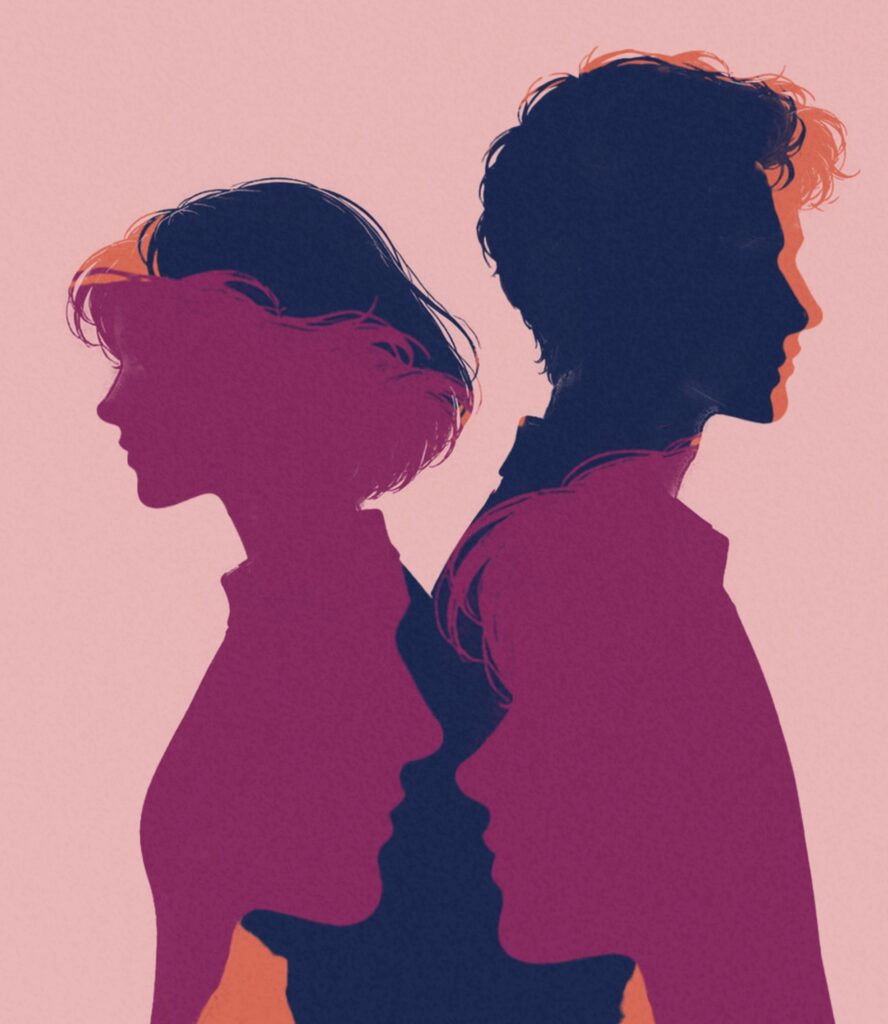
Os dejo unas semanas con la intriga de cómo se ha llamado finalmente, pero, para compensar, quiero compartir las cubiertas previas que pedí a una gran portadista: Lorena Obradors. La primera es la que tienes en la cabecera, aunque hubo esta versión anterior, reflejando los distintos tiempos en los que se encuentra la pareja protagonista.
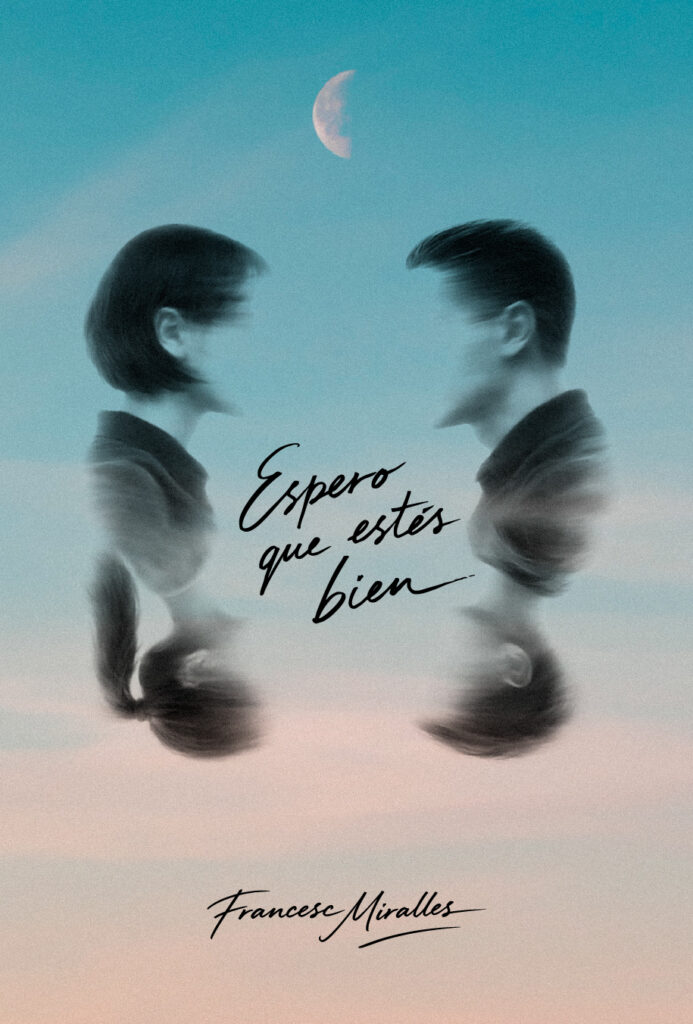
Quizás por mi pasado como editor, me gusta jugar con posibles ideas de portada al presentar un manuscrito, aunque eso es siempre decisión de quien me publica. Cuando pueda anunciar el título, veréis también la cubierta que ha preparado la editorial.
Mientras tanto, la respuesta a la consulta de esta semana, que es también literaria.
PREGÚNTALE A FRANCESC
—¿Cuántas versiones recomiendas hacer de un manuscrito antes de entregarlo a la editorial? (Elisa, Málaga)
Eso depende mucho de quien escribe, Elisa. Hay autores que hacen decenas de versiones y que corrigen sus textos hasta la extenuación. Se atribuye a Flaubert la frase: «Me pasé la mañana poniendo una coma y la tarde quitándola».
Yo debo reconocer que odio corregir, aunque se me da bien hacerlo para otros. La primera versión de mi borrador se parece en un 99% a la que dejo al final, quizás porque mi espíritu wabi sabi me hace buscar más la frescura y la espontaneidad que la perfección.
Suelo hacer una sola corrección de mi manuscrito, antes de mandarlo a la editorial, y luego lo reviso cada vez que me lo devuelven con anotaciones o correcciones. Para mí es suficiente.
Volviendo a tu pregunta: nunca sabrás si tu manuscrito está del todo terminado, pero cuando, después de varios cambios, vuelves a una versión inicial, significa que es hora de entregarlo al universo.
¡Abrazos y buena fortuna literaria!
F
Muchísimas gracias a todas las amigas y amigos que llenasteis ayer el teatro Metamorfosis para estar con Care Santos y conmigo. Aún estamos temblando de emoción.
¡Feliz semana!
Francesc
—
One story, too many titles
Good evening,
I sometimes boast that I’ve named a few babies —none of them my own— at the request of parents who were struggling to find inspiration. I’ve also put the title to dozens of books by other authors —a task I actually find easier than coming up with a title for my own work.
What appears on a book’s cover is crucial to how it presents itself to the world; that’s why many authors panic when their publisher suggests a title change. Yet, once the «creature» has been renamed and begins its journey out into the world, people soon forget that it once went by a different name.
Several modern literary classics have undergone such a metamorphosis. Among the most famous examples:
- Pride and Prejudice was originally going to be titled First Impressions —not a bad choice at all. However, the publisher who finally took on Jane Austen’s work —15 years after she finished the novel—, suggested a title that reflected better the shifts of the era.
- Bram Stoker’s Dracula was initially titled The Un-Dead. A definite improvement.
- The title War and Peace was also a smart choice; in early versions of the manuscript, Tolstoy had titled it All’s Well That Ends Well.
- The original title for George Orwell’s 1984 was The Last Man in Europe. I quite like that one, too.
- The novel that would bring Gabriel García Márquez worldwide fame was originally presented by the author as The House, but he was persuaded to find something more poetic and sophisticated. It became One Hundred Years of Solitude.
There are dozens more examples, but I’ve mentioned just a few to explain that my own love novel —due for publication this spring— has also been given a new title. I won’t be able to share the final one and the release date for a few more weeks, but I can reveal the title I gave the manuscript which is now in the hands of my editors.
The novel was titled I Hope You’re Well —what you might write, after an initial greeting, to someone very dear to you with whom you haven’t spoken in a long time. This is something that happens several times to this couple throughout their troubled story.
Quite rightly, my editor told me: «You’ve written a BIG love story, and the title needs to reflect that.»
I’ll leave you in suspense for a few weeks regarding the final title, but to make up for it, I want to share some early concepts I commissioned from a fantastic cover designer, Lorena Obradors. The first one is the image at the top, though there was also this earlier version, which captures the different time periods the main characters meet.
Perhaps because of my background as a publisher, I enjoy playing around with potential cover ideas when submitting a manuscript —though the final decision always rests with the publisher. Once I’m able to announce the title, you’ll also get to see the cover the publisher has prepared.
In the meantime, here is the answer to this week’s question —which, fittingly, is about literature.
ASK FRANCESC
—How many drafts do you recommend writing for a manuscript before submitting it to a publisher? (Elisa, Málaga)
That really depends on the writer, Elisa. Some authors produce dozens of drafts, refining their text until they’re absolutely exhausted. Flaubert is famously credited with saying: «I spent the morning putting in a comma, and the afternoon taking it out.«
I must admit that I hate editing —even though I’m quite good at doing it for others. My final draft is usually 99% identical to my first one; perhaps my wabi-sabi sensibility leads me to value freshness and spontaneity over perfection.
I generally go through only one round of revisions before sending my manuscript to the publisher, and then I review it again each time it’s returned to me with notes or corrections. For me, that’s enough.
Returning to your question: you will never know if your manuscript is definitely finished, but when —after several revisions— you find yourself circling back to an earlier version, it means it is time to release it into the universe.
Warm hugs wishing you the best of literary luck!
F
A huge thank you to all the friends who filled the Metamorfosis theater yesterday to join Care Santos and me. We are still trembling with excitement.
Have a wonderful week!
Francesc